
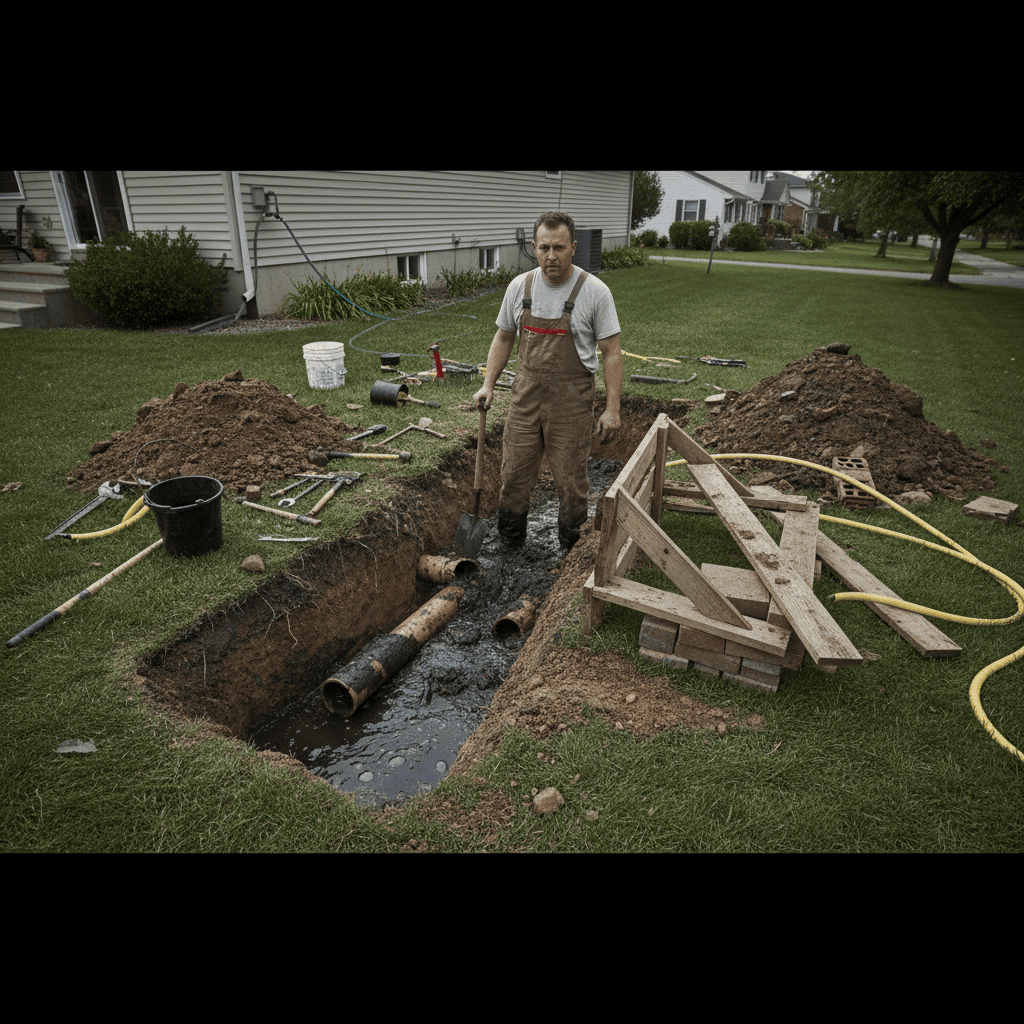
Fixing sewer lines at home might seem smart when a drain slows down or a weird wet spot shows up in the yard. Saving cash and tackling the problem yourself sounds great. But before grabbing a shovel or renting gear, it’s important to understand the dangers that often come with do-it-yourself sewer repairs. Knowing this saves headaches and costly mistakes later, making the whole adventure less risky and way more manageable. Keep reading to find out what traps to avoid and how to stay ahead of the mess.
This article lays out common hazards, legal and insurance complications, and the types of mistakes that turn a modest issue into a major expense. Read on for practical examples and clear signs that a situation needs professional attention instead of a do it yourself approach.
Hidden health and environmental hazards from DIY sewer line repairs
Sewer lines carry human waste and wastewater that contain pathogens and toxic gases. A partial or failed repair can release contaminants into your yard and into nearby drainage. Exposure to untreated sewage can cause gastrointestinal illness and skin infections. In addition to bacteria there are viruses and parasites that are not visible.
Gas hazards are real during sewer work. Methane and hydrogen sulfide can accumulate in trenches and enclosed spaces. These gases can cause dizziness, nausea, or loss of consciousness. In some settings methane can form flammable mixtures. Professionals use gas monitors and ventilation to manage these dangers. A homeowner without that equipment may put themselves and neighbors at risk.
Structural and property risks when repairs go wrong
Sewer lines sit under foundations driveways and landscaping. Improper digging or repair can remove supporting soil and set the stage for settled slabs cracked pavement or failed retaining walls. A common example is an incorrectly backfilled trench that settles over months creating an uneven lawn and broken concrete.
Poorly aligned pipe joints or incorrect slopes create blockages that repeat, so what looked like a fixed problem returns and worsens. A patch that fails underground can saturate soil and create sinkholes. Repairing those secondary failures can cost far more than hiring a trained technician initially.
Common mistakes homeowners make during DIY repairs
Several simple missteps are behind most failed DIY sewer attempts. Knowing them helps explain why a licensed plumber is often the cheaper option long term.
- Using powerful chemical drain cleaners for tough clogs. These can erode older clay or cast iron pipes and create wider damage under the surface.
- Relying on a basic drain snake for a main line obstruction. A consumer auger can push debris deeper or kink flexible pipe joints when the problem is further down the line.
- Cutting into pipe without checking for utility lines. Striking water gas or electrical conduits while digging adds major danger and liability.
- Patching with tape or surface sealants as a permanent fix. Such measures mask symptoms while allowing leakage and corrosion to continue.
Tools techniques and why they matter
Repairing a sewer line often requires specialized tools and methods that are not available to most homeowners. Choosing the wrong technique can make things worse.
Inspection tools
Video camera inspection reveals the location cause and condition of a break or blockage. Without this step repairs become guesses. A camera run through the pipe shows roots pipe bellies breaks and offset joints so the repair matches the actual problem.
Repair methods explained
Popular professional options include spot repair pipe bursting and cured in place lining. Spot repair removes a short damaged section and replaces it. Pipe bursting expands a replacement pipe through the old one. Cured in place lining installs a resin saturated sleeve that bonds to the inside of the existing pipe.
Each method has specific site requirements permit needs and risk factors. For example pipe bursting requires careful control to avoid damaging nearby utilities. Lining works well for pipes with intact host walls but fails if the pipe is crushed or collapsed. Choosing correctly reduces long term failures and additional excavation.
Legal permit and insurance pitfalls for DIY work
Many municipalities require permits for sewer repairs especially for work that connects to a public main or alters grade. A permit triggers inspection by the local authority to confirm safe and code compliant work. If you skip permits repairs may be judged unapproved which complicates future property sales and can expose you to fines.
Insurance is another concern. Homeowner policies may decline coverage for damage caused by improper repair. If a failed DIY repair leads to a neighbor claim or municipal fine you could face out of pocket costs that greatly exceed initial savings. Licensed plumbers carry liability coverage and meet local standards which helps protect property owners.
Cost implications and long term consequences
Initial savings from a do it yourself repair can evaporate quickly. A rushed excavation that severs a section of pipe may require a full replacement under heavy equipment. When a temporary patch fails it often allows roots and debris to reenter the system creating repeated blockages and higher cumulative repair bills.
Think in terms of lifecycle cost over a decade. A professional repair done once with modern techniques often lasts far longer than a homeowner patch repeated every year. Concrete examples include replacing an eight foot run versus doing a partial patch that needs replacement three years later.
When it is reasonable to handle something at home
Not every drain issue requires a licensed plumber. Small slow drains localized clogs and minor trap cleanings can be safe for homeowners to handle if done carefully. Use the correct small auger avoid harsh chemicals and stop if the problem does not clear easily.
Temporary measures such as limiting water use and placing containment for overflows reduce immediate damage while you arrange a professional visit. Do not attempt to line or replace buried piping without an inspection and appropriate gear.
How to choose a reliable local service
Select a single contractor that offers camera inspection clear written estimates and explains suggested repairs in plain language. Look for proof of licensing and insurance and ask for references from recent similar jobs. A good provider will describe permit needs and timelines and present alternatives with pros and cons.
For those who prefer to get an inspection before committing to work the link below leads to a page with further guidance from a Plumbing Company on decision points and what licensed plumbing professionals do during an assessment.
Practical tips to reduce risk before a pro arrives
- Stop using systems connected to the suspected damaged line. Reducing flow lowers the chance of overflow into the home or yard.
- Mark utility lines and contact local utility locating services. This reduces the risk of striking buried cables or pipes during any interim digging.
- Take photos of visible damage and note when problems began. These details help technicians diagnose the issue more quickly on site.
- Contain spills and remove pets and children from the area to limit exposure to contaminants.
When a problem looks like a simple clog treat it that way and observe results. When you see repeated backups foul odors persistent wet ground or ground settlement these signs indicate a deeper issue that a professional should evaluate.
Final decision points come down to scope and risk. Small internal clogs that respond to a home auger are manageable for many homeowners. Anything involving buried pipe replacement or uncertain damage is best handled by a trained service with the correct inspection tools permits and safety equipment.
Summary and next steps
DIY sewer line repairs can look attractive as a way to cut costs but they carry health safety structural and legal risks that are easy to underestimate. Pathogens and gas exposure create immediate hazards. Incorrect excavation and poor repair technique lead to foundation problems and repeated failures. Permit and insurance issues add financial exposure if the work is not performed to code.
If you face signs of main line trouble such as repeated backups strong sewage odors standing water over the yard or sudden lawn depressions plan for a professional assessment. A camera inspection provides a clear diagnosis and a technician can explain repair options cost and timeline. For urgent situations limit water use and isolate affected areas until help arrives. Choosing a licensed service protects your property and reduces the chance of follow up failures that cost more than a properly executed repair.
Take action now by scheduling an inspection with a licensed plumbing specialist or calling your local service for an on site evaluation. Quick steps taken today reduce health risk property damage and long term expense.