
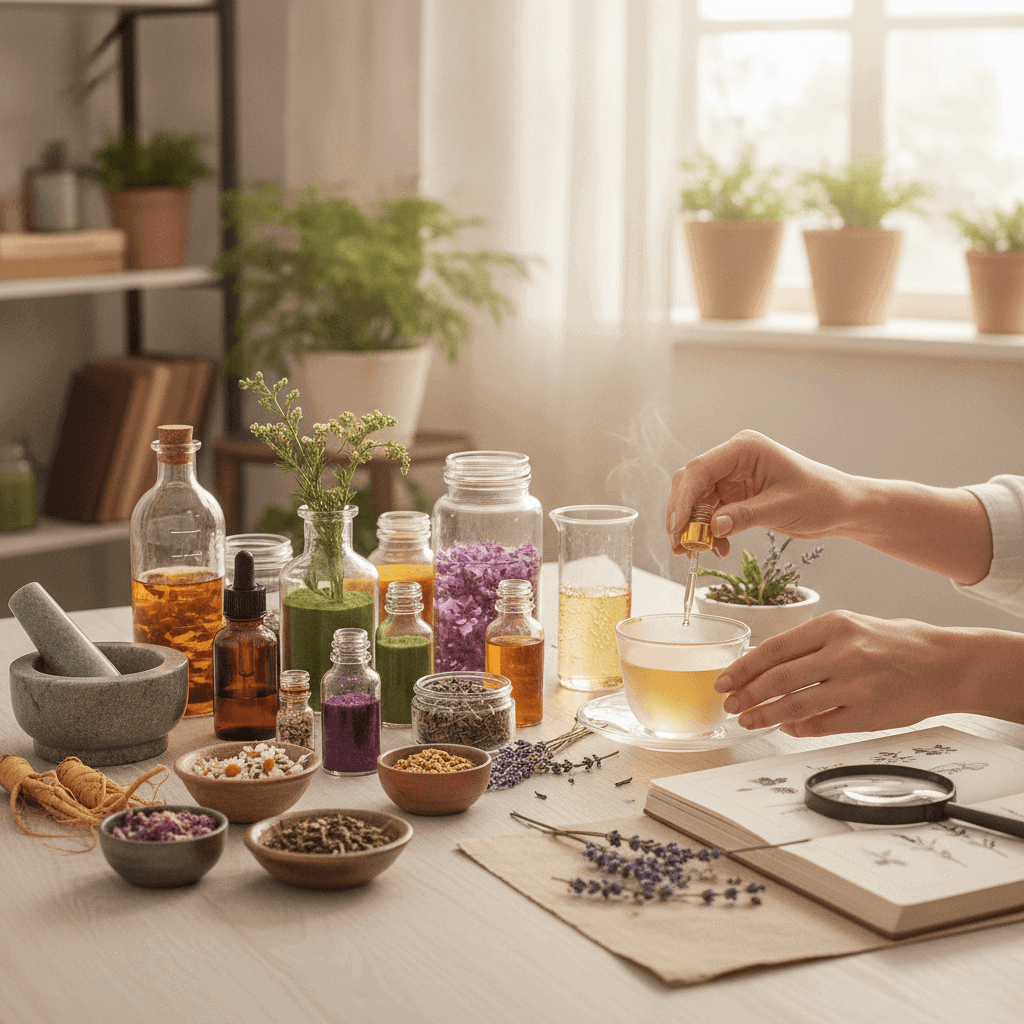
The world of wellness is constantly evolving and a fascinating shift is happening right now. Many people are turning back to nature for their health and happiness. We see a growing interest in plant-based solutions for everyday issues. This movement is known as botanical wellness and it focuses on using plants and their extracts to support overall wellbeing.
I have observed this trend gaining significant momentum. It offers a gentle yet powerful approach to health. It moves away from synthetic compounds and embraces the natural compounds found in botanicals. This approach covers a wide range of practices. It includes herbal teas, essential oils, plant-derived supplements and even botanical skincare.
Understanding what this trend means for your health is important. It is about more than just buying a new product. It involves a deeper connection to nature and a mindful way of living. We believe in informed choices so let us explore what you should know about botanical wellness trends.
The Deep Roots of Botanical Wellness Practices
Botanical wellness is not a new concept. Humans have relied on plants for healing and nourishment for thousands of years. Ancient civilizations around the globe used herbs and plant extracts in their traditional medicine systems. These practices were often passed down through generations. They formed the bedrock of early healthcare.
Today this ancient wisdom is meeting modern scientific understanding. Researchers are studying the compounds in plants that contribute to their therapeutic properties. They are looking at how these natural elements interact with our bodies. This blend of old and new knowledge is making botanical wellness both credible and appealing. People are recognizing the effectiveness of these natural solutions.
I find it remarkable how much we can still learn from traditional practices. Many of these methods have stood the test of time. They offer valuable insights into supporting our health naturally. The renewed interest in these solutions shows a collective desire for gentler holistic care. This desire helps us reconnect with the earth’s resources for our health.
Ancient Wisdom Meets Modern Science
Historical records show a widespread use of botanicals. Traditional Chinese Medicine and Ayurvedic practices in India relied heavily on herbs. Indigenous cultures across the Americas and Africa also developed sophisticated knowledge of local flora. They understood how to use these plants for various ailments. These systems recognized the interconnectedness of mind body and spirit. They used plants to restore balance.
Modern science helps us pinpoint the active ingredients in these plants. We can now identify specific compounds like flavonoids alkaloids and terpenes. These compounds give plants their healing qualities. Scientific studies are helping to validate many traditional uses. They also help us understand the mechanisms behind these effects. This scientific validation helps ensure safe and effective use of botanicals today.
Key Botanical Ingredients and Their Health Benefits
When you explore botanical wellness you will encounter many different plants each with unique properties. Some botanicals are known for calming effects. Others boost energy or support immune function. Knowing some common examples can help you begin your journey.
Adaptogens are a popular category. These herbs help the body adapt to stress. Ashwagandha is a good example of an adaptogen. It helps manage stress and anxiety. Rhodiola rosea is another one. It improves mental and physical fatigue. I have personally found adaptogens helpful during busy periods. They help maintain a sense of balance.
Other botanicals focus on specific areas of health. Chamomile is well-known for its calming properties. It is often used in teas to aid sleep. Turmeric contains curcumin. This compound has powerful anti-inflammatory effects. Echinacea is frequently used to support the immune system. These examples show how diverse and targeted botanical solutions can be.
Popular Botanicals and Their Common Uses
Let us look at a few widely recognized botanicals and their benefits. We see them in many different products on the market today.
- Lavender: Often used in essential oils for relaxation and sleep. Its scent is known to calm the nervous system. You can diffuse it or add a few drops to a warm bath.
- Peppermint: Great for digestive support and easing headaches. Peppermint tea is a classic choice for an upset stomach. Its essential oil can be massaged onto temples for tension relief.
- Ginger: A powerful anti-inflammatory and anti-nausea herb. Fresh ginger root can be added to food or brewed into tea. Ginger supplements are also available.
- Aloe Vera: Known for its soothing properties for skin. It is common in lotions and gels for burns and irritations. Many people also drink aloe vera juice for digestive health.
These are just a few of the many botanicals available. Each one offers distinct benefits. It is wise to research specific plants to see how they might align with your personal health goals. Always choose high-quality sources.
Ensuring Safety and Quality in Botanical Products
As interest in botanical wellness grows so does the market for these products. This means it is more important than ever to focus on safety and quality. Not all botanical products are created equal. You need to be a careful consumer.
Sourcing is key. Where do the plants come from? Are they grown organically? Are they harvested sustainably? These questions matter. Plants can absorb pesticides or heavy metals from their environment. This can make them harmful if consumed. Look for products that specify their sourcing practices. Transparency from brands is a good sign.
Another crucial factor is third-party testing. Because the botanical supplement industry is not always strictly regulated, independent testing provides an extra layer of assurance. This testing checks for purity potency and contaminants. A product that has been third-party tested will often display a seal or mention it clearly on its packaging. Always prioritize brands that offer this level of quality control.
Understanding Labels and Certifications
Labels on botanical products can be confusing. I always recommend looking for specific certifications. An organic certification ensures the plants were grown without synthetic pesticides or fertilizers. This protects both your health and the environment.
Look for terms like “non-GMO” and “sustainably sourced.” These indicate responsible practices. Also be wary of vague claims. If a product sounds too good to be true it probably is. Education is your best tool for making informed decisions about botanical products. We want to choose products that genuinely support our health goals.
Integrating Botanical Wellness into Your Daily Routine
Making botanical wellness a part of your life does not need to be complicated. You can start with small manageable changes. The goal is to gradually incorporate plant-based practices that feel natural and beneficial to you. It is about finding what resonates with your individual needs.
One simple way is through teas. Herbal teas can offer specific benefits. Peppermint tea can aid digestion after a meal. Chamomile tea can promote relaxation before bed. Green tea provides antioxidants and a gentle energy boost. Experiment with different blends. Discover what you enjoy and what makes you feel good. This is an accessible entry point for many.
Another area to explore is essential oils. These concentrated plant extracts can be diffused for aromatherapy. They can also be applied topically when properly diluted. Lavender oil is popular for relaxation. Eucalyptus oil can help with clear breathing. Always dilute essential oils with a carrier oil like jojoba or almond oil before applying them to your skin. This is a very important safety step.
Practical Steps for a Botanical Lifestyle
If you are thinking about trying the botanical wellness trend, consider these practical steps:
- Start small: Pick one botanical product or practice to try first. Maybe a new herbal tea or a single essential oil.
- Research thoroughly: Learn about the specific benefits and potential side effects of any botanical you consider. Know what you are putting into or onto your body.
- Prioritize quality: Always choose reputable brands that are transparent about sourcing and testing. This ensures you get pure and effective products.
- Listen to your body: Pay attention to how your body responds to new botanicals. Everyone is different so what works for one person might not work for another.
- Consult professionals: If you have existing health conditions or are taking medications, talk to your doctor or a qualified herbalist before adding new supplements.
Incorporating botanicals into your routine can be a rewarding experience. It connects you to nature and supports your wellbeing in a gentle way. We want to empower you to make healthy and informed choices.
The Science Behind Botanical Wellness Trends
While botanical wellness often feels intuitive and ancient, modern science is increasingly uncovering the mechanisms behind these plant-based benefits. It is not just folklore. There are measurable biological activities at play. This scientific inquiry helps us understand why certain plants are effective and how to use them safely.
The key lies in phytochemicals. These are natural compounds produced by plants. They are responsible for a plant’s color scent and flavor. Many phytochemicals also have biological activity in humans. For example, the curcumin in turmeric is a polyphenol known for its strong anti-inflammatory and antioxidant effects. We are learning how these compounds interact with our cells and systems.
Research continues to explore how botanicals can support various bodily functions. Studies are examining their impact on immunity digestion stress response and even cognitive health. This ongoing validation helps to build a more comprehensive picture of botanical efficacy. It moves the discussion beyond anecdotal evidence. It roots it in scientific understanding.
Understanding Phytochemicals and Their Impact
Plants are like tiny chemical factories. They produce a vast array of compounds that protect them from pests and disease. Many of these compounds also offer health benefits to us when we consume them.
For instance, flavonoids found in fruits and vegetables are powerful antioxidants. They help protect our cells from damage. Terpenes common in essential oils can have anti-inflammatory or calming effects. Alkaloids like caffeine provide stimulating properties. By understanding these different groups of phytochemicals we gain insight into the diverse actions of botanicals. We can then make more targeted choices for our health needs.
Navigating the Market and Making Informed Choices
The botanical wellness market can feel overwhelming because of the sheer number of products and brands. Making informed choices is essential for your health and your wallet. I have found that a little bit of research goes a long way in this space.
First look for brands that are transparent about their practices. A reputable company will readily share information about where their ingredients come from. They will tell you how their products are processed. They will also provide details about any testing they conduct. If a brand is secretive about these things, it is a red flag.
Next consider the form of the botanical. Is it a tea a tincture a capsule or an essential oil? Each form has different absorption rates and potencies. A tincture for example might be more potent than a tea. Decide which form best suits your lifestyle and desired effect. Always read dosage instructions carefully. Never assume more is better with botanical remedies.
Tips for Wise Botanical Shopping
Here are some practical tips to help you shop for botanical products confidently:
- Check for certifications: Look for organic USDA certifications or third-party testing seals. These add credibility.
- Read ingredient lists: Ensure the product contains the botanical you want and avoid unnecessary fillers or artificial ingredients.
- Research the brand: Look up reviews and company history. See if they have a good reputation for quality and customer service.
- Start with single ingredients: When beginning, try products with just one or two botanicals. This helps you identify what works for you without confusion.
- Consult a professional: For personalized advice and to address specific health concerns, speak with a naturopath a doctor or an herbalist.
Remember that botanical supplements can interact with medications. They may not be suitable for everyone. We want you to be safe and effective in your wellness journey. So always seek expert advice when needed.
Embracing a Greener Path to Wellbeing
Botanical wellness trends invite us to reconsider our relationship with health. They encourage us to look to nature for support and healing. I have seen firsthand how incorporating plants into daily life can bring a sense of calm and vitality. It is a mindful approach that honors both ancient wisdom and modern science. This allows for a truly holistic path to wellbeing.
We have explored the foundations of this movement. We looked at powerful botanicals like ashwagandha and lavender. We also discussed the critical importance of quality sourcing and safety. Integrating these natural elements into your routine can be simple and rewarding. It offers a gentle alternative or complement to other health practices. The scientific community is continually uncovering the deep benefits of these plant compounds. This further validates their place in our health regimens.
As you consider this greener path remember to approach it with curiosity and caution. Prioritize transparent brands. Always listen to your body. Consult with healthcare professionals especially if you have existing health conditions. Embracing botanical wellness is not just a trend. It is a commitment to a more balanced and natural way of living. I encourage you to explore these options carefully. Find what truly enhances your life and supports your health from the ground up.