
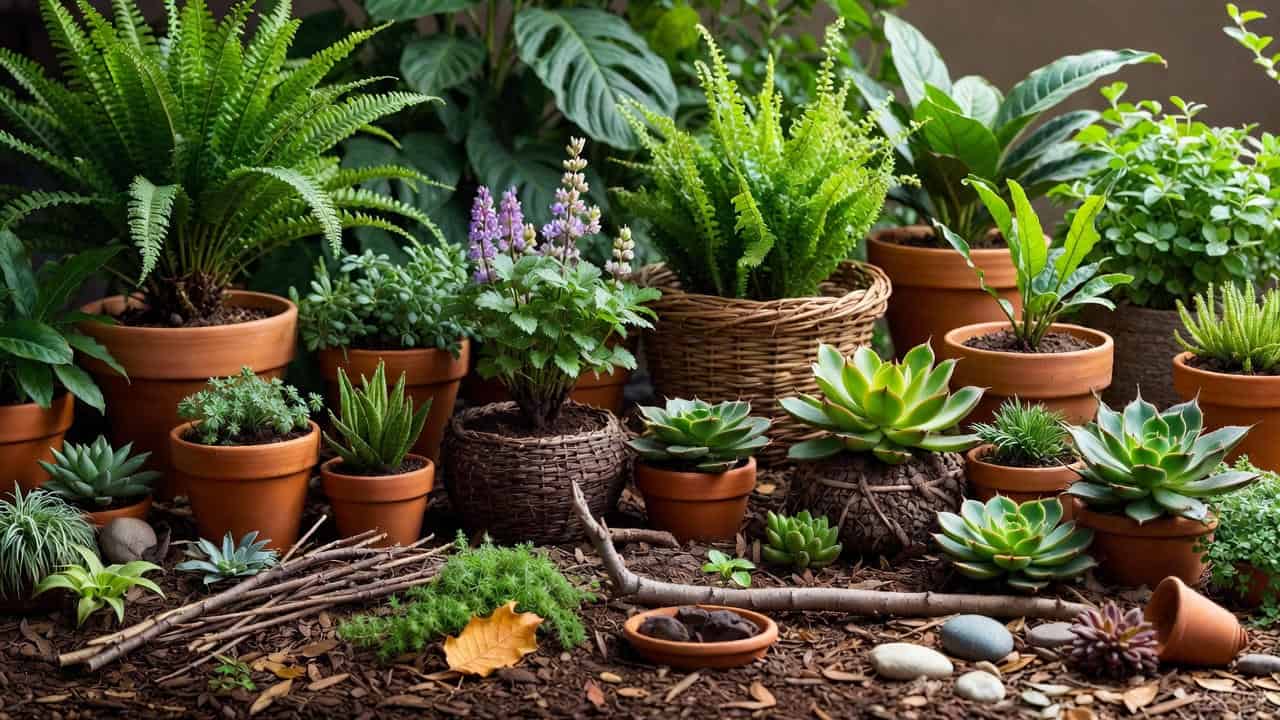
Houseplants add bright color and fresh life to any room but often come with tricky upkeep questions. Bugs, mold, and nutrient mix-ups can turn a happy plant patch into a sad one fast. This guide shares natural tricks to keep houseplants safe so leaves stay shiny, roots stay strong, and blooms keep popping without using tough chemicals. Curious about these easy, green methods that save your plants and your peace of mind? Keep reading to discover simple secrets to a flourishing indoor jungle.
Whether you are new to indoor gardening or have many plants, practical prevention and gentle remedies reduce stress for both you and your plants. Read on for step by step practices, simple homemade treatments and daily habits that make a noticeable difference.
Why natural protection matters for houseplants
Indoor environments concentrate plants in a small area and often lack the predators and environmental checks found outdoors. That makes diseases and insects easier to spread. Choosing natural protection methods reduces exposure to toxic residues inside the home and supports long term microbial health in potting mixes.
Natural approaches focus on prevention and on correcting the underlying conditions that allow problems to take hold. For example keeping soil healthy and avoiding overwatering lowers the odds of root rot. Good hygiene limits the chances that pests move from one plant to another.
Routine care habits that prevent pests and disease
Many problems are avoidable with a small set of daily or weekly habits. These habits act like a first line of defense and are easy to adopt.
- Inspect new plants carefully for pests before adding them to your collection
- Quarantine new additions for at least two weeks
- Keep plant leaves clean of dust to allow photosynthesis and to make spotting pests easier
- Rotate pots occasionally to avoid uneven light related stress
- Use saucers and trays to catch excess water and prevent standing moisture on furniture
Watering and drainage habits
Overwatering is a top cause of poor plant health. Use pots with drainage holes and fast draining potting mix for most species. Stick a finger into the soil to assess moisture before watering. For plants that prefer dryer feet allow the top 2 to 3 centimeters to dry first.
Tip given as an example: set a regular but flexible watering routine rather than following a strict schedule that ignores seasonal shifts in light and temperature.
Light and air circulation
Low light or crowded placements encourage weak growth and pest problems. Provide the proper brightness for each species and give plants a little space so air moves around leaves. Occasional gentle air movement from a fan helps reduce fungal spores landing and settling.
Natural pest control methods that work
Pests you will commonly see on houseplants include spider mites, aphids, mealybugs and scale. Effective natural control combines physical removal with mild biological and botanical treatments. Start by removing large infestations with gentle wiping or rinsing. For smaller or early stage problems use repeated treatments to break the pest life cycle.
For a practical introduction to natural pest responses and additional ways to treat infestations you can consult a focused guide on houseplant pest control tips that outlines step by step measures and product recommendations.
- Mechanical removal works well for scale and mealybugs. Use a cotton swab dipped in alcohol for spot treatment.
- Rinsing plants under lukewarm water is an excellent first step for soft bodied pests like aphids and spider mites.
- Repeat treatments matter. Many natural treatments do not kill eggs so treat every 5 to 7 days until the problem is gone.
Homemade sprays and safe botanical remedies
You can make several effective sprays from common household ingredients. These are gentle when used correctly but always test a small area first to avoid leaf burn.
- Soap spray mix one to two teaspoons of liquid castile soap in a liter of water. Use this to smother soft bodied insects. Rinse leaves after a few hours to avoid residue.
- Neem oil diluted at the recommended rate suppresses many pests and has some antifungal properties. Apply in the evening to avoid sun scorch.
- Garlic and chili infusions can repel pests. Steep crushed garlic or hot pepper in hot water for a day then strain and dilute before use. Avoid applying to succulent leaves or plants sensitive to oils.
Application advice use a spray bottle and cover both upper and lower leaf surfaces. Apply when plants are dry and avoid treatment during hottest parts of the day.
Using beneficial insects and biological options
In controlled indoor situations it is possible to use beneficial insects or microbial products to reduce pest pressure. Predatory mites eat spider mites and lacewings feed on aphids. These options make sense for larger collections or for those who prefer non chemical approaches.
Introduce beneficials only when pests are present and when you can maintain conditions that allow predators to thrive. For example predatory mites prefer certain humidity ranges that differ from some houseplant preferences.
- Predatory mites target tiny pests on leaves and are invisible to the naked eye so monitoring counts matters
- Lacewing larvae are effective against soft bodied insects in sheltered indoor growing areas
- Bacillus thuringiensis or similar microbial products can be used on specific caterpillar pests
Soil health and repotting tips to reduce problems
Many houseplant issues begin below the surface. Soil that compacts or goes anaerobic invites root disease. Using fresh, well draining potting mix at the correct intervals supports healthy root growth and reduces pathogen buildup.
- Repot fast growers once a year and slower growers every two to three years
- When repotting gently remove old soil from small root masses and inspect roots for rot and pests
- Amend mixes with perlite or coarse sand for drainage when repotting plants that require quick drying media
Keep pot and soil hygiene in mind. Rinse pots when reusing to remove residues that could harbor pests or pathogens. Sterilize tools between uses to prevent cross contamination.
Seasonal checks and long term plant health strategies
Adjust care with the seasons. During lower light months plants need less water and may slow growth. Less growth often means pests reproduce more slowly but can still be a problem in dry warm conditions caused by indoor heating.
Set a monthly calendar to inspect each plant for signs of stress or infestation. Note changes in leaf color or texture and compare to a care log so patterns emerge over time. A small notebook or digital note keeps track of watering dates repotting events and treatment records.
- Prune yellowing or dead foliage to reduce fungal spread
- Keep humidity consistent for species that prefer it using pebble trays or humidifiers located away from direct plant contact
- Fertilize lightly during active growth seasons and pause feeding when plants slow down to avoid weak, tender growth that attracts pests
For plants that share a room consider staging them so more susceptible species are easy to reach for inspections and treatments. Grouping by water needs also reduces the chance of accidental overwatering.
Common troubleshooting examples and quick fixes
Example one fungus gnats are usually a sign of overly wet surface soil. Switch to letting the top layer dry and use a layer of sand or fine gravel on the surface to discourage egg laying. Yellow sticky traps capture adults and reduce breeding pressure.
Example two mealybugs appear as white cottony masses. Dab with alcohol to remove adults and combine with soap spray on the rest of the plant. Re treat weekly until gone and consider light pruning to remove heavily infested growth.
Example three spider mites cause stippling on leaves and fine webbing. Increase humidity and mist leaves while using a mild soap rinse and repeat treatments. Predatory mites can be introduced in larger setups for quick control.
Practical reminder use gloves when handling plants with sticky residues and wash your hands between treatments to avoid spreading pests around the house.
Conclusion summary and call to action
Natural ways to protect houseplants focus on prevention and on gentle responses that preserve plant health and the indoor environment. By developing a routine of inspection proper watering lighting and soil care you reduce the chance of pests causing major damage. When pests appear use physical removal homemade sprays and targeted biological options as first lines of defense. Repotting with fresh mix pruning and seasonal adjustments complete a holistic care approach that keeps plants vigorous over many years.
If you want to take the next step start with a single change this week such as setting a weekly inspection habit or preparing a simple soap spray. Track what you do and note the results so you can fine tune care for each species. If a particular problem persists consult a trusted resource or community forum to compare experiences. Keep learning and testing small remedies until you find what works best for your collection. Now pick one plant and give it a close check today then act on the first issue you find. Your plants will thank you and you will enjoy healthier growth and fewer surprises.