
Air conditioners act like quiet heroes keeping things cool. They work behind the scenes and only grab attention when they quit working. Spotting when aircon cleaning is needed catches troubles before they grow, keeps the air fresh, and makes the unit run smoothly. This knowledge helps anyone who wants a comfy, healthy space and avoids surprise breakdowns. Keep reading to discover easy tricks to keep your aircon in top shape and enjoy cool breezes all year long.
This article lists clear, practical signs that signal it is time to clean your unit. You will get examples, simple checks you can do yourself and guidance on when to call a professional. Read on to protect your air quality, avoid costly repairs and get the best performance from your system.
Signs You Need Aircon Cleaning When Your Unit Smells
One of the most obvious warnings is an unpleasant smell coming from vents when the unit runs. A musty or mildew scent usually points to mold or algae in the evaporator coil or drip tray. A rotten egg odor could indicate bacteria growth in water trays or a trapped dead insect. A chemical or plastic smell could mean an electrical issue which needs swift attention.
Tip for a quick check. Turn the unit off and lift the front panel to inspect visible filters and trays. If you see dark streaks or a slimy film, that is a strong sign cleaning is needed. Wiping a small area with a damp cloth gives a quick sense of whether the grime comes off easily or is deeply embedded.
Signs You Need Aircon Cleaning When Airflow Drops and Energy Use Rises
Reduced airflow is a common signal the unit needs cleaning. Dust clogged in filters, coils and fins forces the fan to work harder to push air through. You may notice rooms take longer to cool or that your thermostat setting has to be lower to reach the same comfort level.
Look at your energy bills. If consumption creeps up during periods of similar use there may be a link to system inefficiency. A clean aircon can restore normal airflow and reduce strain on the compressor, which often translates to lower running costs over time.
Signs You Need Aircon Cleaning When Dust and Allergies Increase
Indoor dust settling on surfaces more quickly or a spike in allergy symptoms can signal poor air filtration. Filters clogged with particulate matter lose their ability to trap pollen dust and pet dander. That allows contaminants to circulate and settle throughout the home.
Practical check. Remove the filter and hold it up to a light source. If light barely passes through you have a heavily loaded filter. Replacing or cleaning the filter will usually improve room air quality right away. For households with asthma or hay fever it is wise to inspect filters monthly during heavy use seasons.
When cleaning around the home helps
Regular dusting and vacuuming reduce the load on the aircon. Keep vents and returns clear of curtains furniture and large objects. That simple step can delay the need for a full service and improves circulation.
Signs You Need Aircon Cleaning After Water Leaks or Ice Build Up
Water leaking from the indoor unit or pooling near the outdoor compressor is not normal. It often indicates a blocked drain line or a clogged drip tray. Left unchecked standing water encourages mold and gives pests a place to collect. Ice forming on the evaporator coil is a different but related problem. It usually stems from restricted airflow or low refrigerant which makes the coil overcool and freeze. Once defrosted the same issues will return unless the roots of the problem are removed.
Quick action helps avoid more serious damage. If you see leaks or ice turn the system off and call a technician. While waiting clear any surface water and avoid running the unit repeatedly as starting and stopping while components are stressed can cause further issues.
Signs You Need Aircon Cleaning Based on Noise and Performance Changes
Air conditioners that start to rattle hum or click more than usual can be telling you that internal parts have become obstructed by debris. Dust and small objects can get into the fan blades and housing leading to imbalance and extra noise. In other cases a clogged condenser outdoors will lead to higher operating temperatures and audible strain.
Performance symptoms are practical to watch. If the system cycles on and off more frequently or never reaches set temperature in the same amount of time these are good reasons to suspect buildup inside the unit. Regular cleaning keeps moving parts freer and reduces the risk of mechanical wear from dirt.
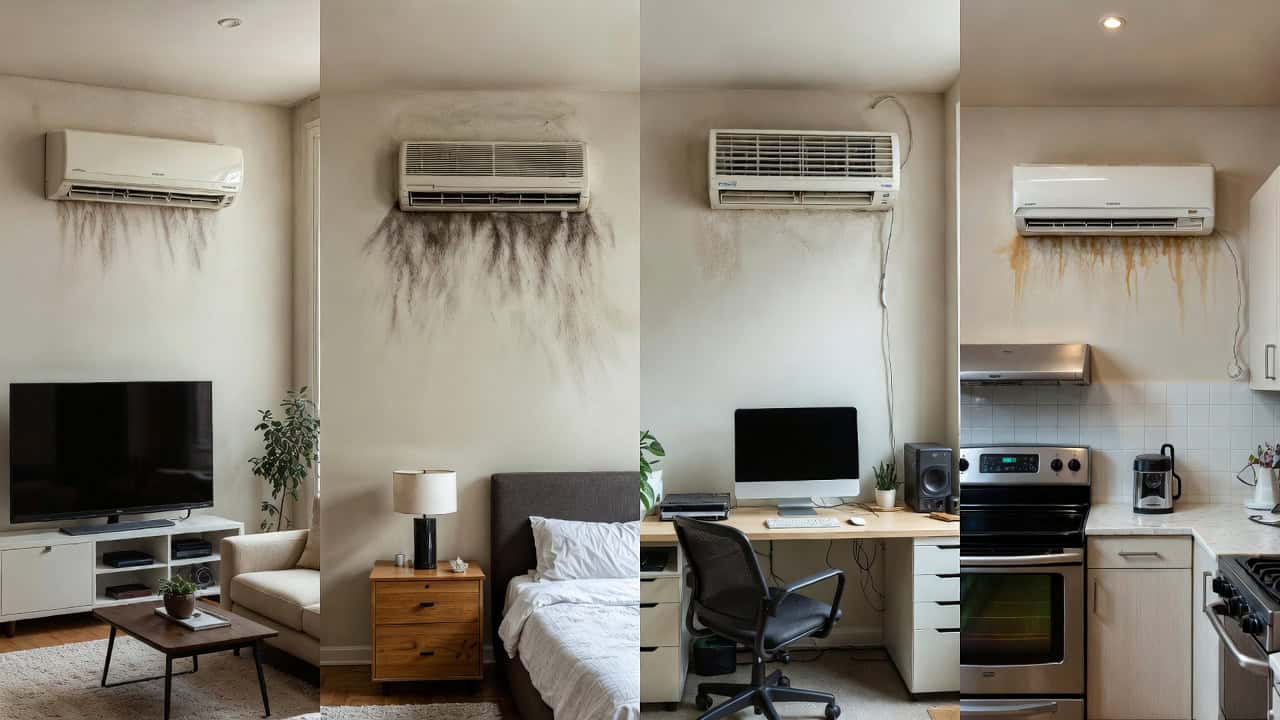
Signs You Need Aircon Cleaning When You See Visible Mold or Staining
Dark staining on vents around the output grilles or on the internal casing almost always means microbial growth somewhere inside the system. That is a health concern and a clear prompt for a thorough cleaning. Even if the staining is limited to the flap or grille surface it suggests spores are present and could be spreading when the unit runs.
Safety tip. Wear a simple mask and gloves when checking for mold. Small surface spots can be wiped with a mild detergent but large or persistent growth should be treated by a professional who can access and clean internal components without spreading spores through the ductwork.
How Professionals Clean and What to Expect
When it is time to call a technician they follow a set of practical steps to restore function and hygiene. A full service typically includes filter cleaning or replacement removal of dust from the blower and fan coil cleaning of the evaporator coil and a check of the drain line. Outdoor condensers are checked for debris and fins may be straightened to restore efficient airflow. Using reliable air conditioner cleaning specialists is the easiest way to get thorough work and a clear report on any repairs needed.
Typical Steps in a Professional Service
- Initial inspection to identify visible issues and check refrigerant pressures
- Removal and cleaning of filters usually with a gentle wash and dry
- Brushing and vacuuming the blower and fan housing
- Coil cleaning with a manufacturer approved solution and careful rinsing
- Clearing and flushing the drain line to prevent future clogs
- Outdoor unit clean and visual check for corrosion or obstructions
- Final run test and report with recommendations for follow up
Recommended Frequency and Typical Costs
How often you need professional cleaning depends on usage and environment. For average residential use a service once every 12 months is common. Homes with pets or occupants with allergies may benefit from a six month cycle. Units that run nearly non stop in hot climates might need attention more frequently.
Costs vary by region and by how thorough the service is. Expect a simple filter and basic internal clean to be at the lower end and a full coil clean with antifungal treatment and drain work to cost more. Ask for an itemised quote before work begins and check whether the technician will inspect refrigerant levels and electrical connections as part of the visit.
Practical Tips You Can Do Between Professional Visits
There are low effort steps that prolong clean operation and reduce the load on your system. Change or clean washable filters every one to three months. Keep the area around the outdoor unit free of leaves and grass. Run the unit on fan only for a short period after heavy use to dry internal trays and reduce moisture that encourages mold growth.
Record keeping helps. Keep a small log of service dates filter changes and any odd noises or smells you notice. That record makes it easier to spot patterns and discuss issues with a technician if recurring problems appear.
Clean aircon units are healthier quieter and often cheaper to operate. Recognising the signs you need aircon cleaning is the first step to avoiding larger repairs and keeping indoor air comfortable. If you notice unpleasant smells reduced airflow visible mold frequent leaks higher than usual power bills or new noises these are practical triggers to act.
When in doubt a professional inspection pays off more than leaving problems unaddressed. A trained technician can locate hidden buildup check refrigerant and perform safe cleaning that protects components and improves life span. Use the checks and tips in this article to decide whether a DIY filter clean will do or whether a full service is required. If you decide to book a visit pick a local provider with clear credentials references and transparent pricing. Acting early saves money over time and keeps your home healthy.